INTERVIEW on KBOO FM in Portland (Health Watch with David Naimon 8/3/15)
Radio host, David Naimon, (of KBOO FM/Portland) does an excellent job of asking guest, John Leifer, pivotally important questions regarding issues facing recently diagnosed cancer patients and their loved ones.
Among the many topics covered in this 30 minute interview are:
How to evaluate and select a physician
How to know whether you are receiving the appropriate treatment for your condition
When to obtain a second opinion
The importance of understanding the goals of your treatment
Differentiating between cure, control, and comfort in cancer treatment
Unexplained geographic variations in care, and what they can mean to your treatment
Financial issues associated with treatment and how to manage the challenges
Identifying if your physician has a financial conflict of interest associated with your treatment…and what this can be mean to your care
The role of nutrition and exercise during the journey through cancer
The role of complementary medicine in cancer treatment
How to obtain more information about your disease and its treatment
The interview came about due to the publication of Leifer’s new book, After You Hear It’s Cancer: A Guide to Navigating the Difficult Journey Ahead, written collaboratively with his wife, Lori, a radiation oncologist in practice for 25+ years.
John has spent 30 years immersed in the health care industry as a health care executive, consultant, academician, and author.
In addition to their formal training, John and Lori also bring the perspective of patient and caregiver (Dr. Leifer is a cancer survivor)
Acupuncture has proven effective in relieving nausea associated with chemotherapy for some cancer patients.
As more and more cancer patients rely on complementary therapies to help them manage their disease, the question inevitably arises as to the appropriateness of such practices. The number of integrative modalities available to patients today is mind-numbing – ranging from energetic healing to Chinese herbal preparations. Yet despite the almost infinite array of offerings, there are some basic rules that can help keep cancer patients safe while exploring forms of healing that transcend western medicine.
Rule #1: Integrative treatments are no substitute for proven medical interventions that control or cure cancer. This first rule is inviolate – consider it the one red-line that you should never cross. Therefore, you can eliminate the thought of “alternative” medicine, and replace it with integrative or complementary medicine.
Complementary therapies do not replace or supplant traditional methods of managing cancer. Rather, they are intended to provide additional benefits to the cancer patient, which may vary from reducing the adverse side effects of treatment to attempting to bolster the patient’s immune response. They are thus intended to complement standard oncology practices.
The term alternative therapies suggest that these interventions are done in lieu of medical treatment—an obviously risky decision, particularly if there are effective treatment modalities available for your cancer. Yet, even some of the brightest people on the planet have chosen to forgo standard medical therapy in pursuit of alternative treatment:
“Giving up conventional medicine in favour of alternative treatments, tops the list of fatefully wrong decisions. Whenever this has hastened the death of a famous individual, like recently Steve Jobs, the world press briefly takes notice only to revert to ‘business as usual’ a few days later. And ‘business as usual’ means all too often the promotion of quackery to desperate patients. Thankfully, most cancer patients do not abandon conventional oncology but use alternative treatments as an adjunct to it.”[i]
One of the preeminent experts on complementary medicine, Barrie Cassileth, PhD, is crystal-clear in her opinion regarding the role of alternative medicine in cancer care—there is none! Dr. Cassileth, who is the founder of Memorial Sloan-Kettering’s integrative medicine program, offered these thoughts in an interview with Medscape journalist Gabriel Miller:
“The most common misconception and misperception is that there is a relationship between alternative therapies and complementary therapies, which are part of integrative medicine. There are no viable alternatives to mainstream cancer care, but there are many products and services that are sold to the public, to the naive public, calling themselves alternative medicines or alternative therapies….All of this is bogus. There are no viable alternatives to mainstream care, but a lot of people are getting wealthy pushing alternatives. In other words, they say, “Don’t bother with mainstream treatment; you don’t have to get surgery or chemotherapy or whatever. Come here, and we will treat you.” With something that turns out to be utter nonsense. What happens to these patients…they usually die because they failed to get treatment when it was needed. That is alternative medicine. No one who is a reliable person at a reliable institution would have anything to do with alternative medicine, also called quackery.”[ii]
Most physicians would agree with Dr. Cassileth…so don’t expect your doctor to turn cartwheels if you elect to forgo traditional medical care in favor of alternative medicine. It should be noted that, despite the significant difference between complementary and alternative medicine, they are often spoken of together as differing from traditional or allopathic medicine.
Rule #2:Complementary treatments should be evaluated relative to their ability to improve quality of life – not eliminate or control disease. Significant research data supports the assertion that certain complementary modalities appear to have a profoundly positive effective on selective measures of quality of life (QoL).
he degree to which complementary therapies are effective depends upon one’s expectations relative to treatment outcomes. If you are engaging in such therapies in an effort to ameliorate tumors that are resistant to standard medical therapies, chances are you will be disappointed by the outcome. However, if your expectations are more modest and focus primarily on improved quality of life, complementary therapies may prove to be of significant value to you. Since quality of life can affect clinical outcomes over time, the value of complementary therapies may be substantial:
“The efficacy of some complementary therapies for cancer treatment and palliation has been documented. Chinese herbal medications are associated with reduced treatment adverse effects, increased quality of life, and improved survival rates across cancer sites. Estrogenic botanical supplements have been associated with better quality of life in patients with breast cancer. Massage therapy has been shown to reduce lymphedema in breast and gynecologic cancers, and decrease pain and improve mood in patients with advanced cancers. Randomized trials have shown acupuncture reduces the number and severity of hot flashes in women with breast cancer and men with prostate cancer.”[iii]
“Studies have found acupuncture to be useful in managing chemotherapy-associated vomiting in some cancer patients. Although research on acupuncture for cancer pain control and for management of other cancer symptoms is limited, some studies have shown beneficial effects that warrant further investigation. A 2008 evidence-based review of clinical options for managing nausea and vomiting in cancer patients noted electroacupuncture as an option to be considered.”[iv]
“Various studies also suggest possible benefits of complementary therapies such as hypnosis, massage, meditation, and yoga in helping cancer patients manage side effects and symptoms of the disease. For example, a study of 380 patients with advanced cancer concluded that massage therapy may offer some immediate relief for these patients, and that simple touch therapy (placing both hands on specific body sites)—which can be provided by family members and volunteers—may also be helpful. The study was conducted at 15 hospices in the Population-based Palliative Care Research Network.”[v]
“A 2008 review of the research literature on botanicals and cancer concluded that although several botanicals have shown promise for managing side effects and symptoms such as nausea and vomiting, pain, fatigue, and insomnia, the scientific evidence is limited (the reviewers did not find sufficient evidence to recommend any specific treatment), and many clinical trials have not been well designed. As with use for cancer treatment, use of botanicals for symptom management raises concerns about interactions with cancer drugs, other drugs, and other botanicals”.[vi]
Clearly, a significant level of research exists demonstrating the effectiveness of selective complementary therapies within the appropriate context. Before engaging in complementary therapies, however, you need to also understand the potential dangers associated with them.
Rule #3: Do not ingest anything without discussing it first with your physicians. You probably won’t get into too much trouble with non-invasive modalities such as acupuncture, massage therapy, aromatherapy…but ingesting unknown substances is a wholly different matter.
CAM therapies are often marketed as “natural alternatives” to medicine—leading some patients to believe that they are without risks. While prayer, meditation, massage, and other forms of therapy that do not involve the ingestion of any type of compound are generally devoid of risk, other therapies cannot make this claim.
Mary Egger, RN, advises patients, “If it is something that they ingest, they need to check with the doctors first because it could be counter-productive to treatment.” There are three principal dangers when ingesting a diverse range of CAM therapies: 1) There can be a direct reaction to the compounds; 2) the compounds can negatively interact with chemotherapy, radiation therapy, or other medicines; 3) the CAM compounds/herbals can be contaminated.
CAM products can be very biologically active. In other words, “Direct adverse effects such as allergic reactions, gastro-intestinal complaints, photosensitivity, skin reactions, and hepatotoxicity [toxic and potentially damaging to the liver] have been reported as side effects to CAM commonly used by cancer patients. For example, Echinacea, used to bolster immunity, has caused allergic reactions including anaphylaxis; St. John’s wort, used to treat depression, may cause photosensitivity; black cohosh, used to improve menopausal symptoms, may cause gastrointestinal upset and hepatotoxicity.”[vii]
As more and more cancer patients turn to CAM, the number of adverse reactions increases proportionately:
“Side effects and interactions with chemotherapy are being increasingly reported with herb use, and concerns about potential interactions of complementary modalities with biomedical and pharmacologic treatment, safety, efficacy, cost, and establishment of scientific evidence are rising. Given that many botanical supplements lack basic and clinical research documentation and are not closely regulated, many supplements may be contaminated. Toxicity may result from high concentrations of active ingredients in a supplement versus the native form of the natural product. Moreover, there remains a lack of reliable dosage guidelines. Nearly two thirds of individuals reporting use of natural supplements are unaware of drug interactions and information concerning adverse effects, making the assumption that a lack of such information implies safety. Studies on the effects of antioxidants on cancer therapies have yielded mixed results, with some reporting interference, others noting benefits, and most suggesting no significant interaction. Still, caution is recommended for people undergoing treatment with chemotherapy or radiation because it has been proposed that the use of high-dose antioxidants may interfere with the effectiveness of treatment.”[viii]
If you think these CAM-drug interactions are rare, you are wrong. Researchers state that more than 25% of cancer patients who are receiving chemotherapy are likely at risk for a significant adverse reaction.[ix]
Lori Lindstrom, M.D. notes: “When I initially review a patient’s medication list, I first make sure they have listed all prescription and non-prescription medications, as well as vitamins, herbs, and supplements. The fish oil they take may be dangerous because it increases their risk of bleeding; the anti-oxidant Vitamin C can potentially interfere with the intended effects of radiation. The soybean estrogen may stimulate their breast cancer to grow. In all of these situations, seemingly innocuous supplements can potentially cause harm. My best advice is to not to take any supplement, unless you absolutely need it, while undergoing cancer therapies.”
As if these dangers were not enough, there are also safety concerns related to the manufacturing processes for CAM products. Many herbal preparations are manufactured in foreign countries with far less stringent manufacturing standards to protect product safety and purity. As a result, so-called all natural products may be contaminated with lead, cadmium, arsenic, or other toxins. Even in the United States, oversight of CAM products pales compared to the scrutiny applied to traditional pharmaceutical manufacturing.
The sheer number of herbal remedies marketed makes the challenge of validating their effectiveness, purity, and safety almost Herculean. Dr. Edzard Ernst, emeritus professor at the University of Exeter, makes this point abundantly clear:
“There are about 6,000—that is a really rough estimate—different herbal remedies, and each of them has its own dangers, its own risks. But generally speaking, the risks are, of course, toxicity of the herb itself, and then interactions with prescribed drugs. Here we only know the tip of the iceberg because research into this area has only just begun. We know that herbs have the potential to interact, but we don’t know enough about the subject. If we are dealing with Asian herbal mixtures in particular, we know that many of them are contaminated and/or adulterated—adulterated with prescription drugs and contaminated, for instance, with heavy metals, which obviously can cause harm. The biggest danger of all is that these supplements might be used as a true alternative to effective treatments. In this situation, a harmless but ineffective remedy can almost immediately become life-threatening.”[x]
Rule #4: Just as you were discerning about your medical doctor, be equally discerning when selecting an integrative provider. There are legitimate, certifying organizations that convey Board certification or comparable credentials to acupuncturists, massage therapists, Chinese medicine practitioners, and others within this field. However, there are also charlatans!
I have attended meetings where the virtues of miracle cures were peddled to unsuspecting patients with merciless conviction. And when I challenged these hucksters—demanding valid proof of their claims, I was routed out of the audience with great haste. In one case, a death threat followed.
What I found most surprising was the degree to which intelligent, rational individuals were buying into this nonsense. It spoke volumes about their extreme vulnerability and desperate need for hope.
If you think you are immune to the “charms” of a quack, think again. Even the most astute, well-educated patients have fallen prey: “Psychopathic traits of superficial charm and pathological lying, when exhibited by a quack practitioner giving cancer patients the very words they want to hear such as “cancer cure,” can lead the vulnerable patient into their grasp.”[xi]
Rule #5: Begin by Seeking Out Trustworthy Information
Sources of trustworthy information
Complementary therapies can have a profoundly positive impact on cancer patients when expectations are appropriate and the therapies are properly utilized. There are numerous sources of trusted information that you may wish to consider before engaging in complementary therapies, including:
The American Cancer Society: http://www.cancer.org/treatment/treatmentsandsideeffects/complementaryandalternativemedicine/index
National Cancer Institute’s Office of Cancer Complementary and Alternative Medicine (OCCAM): http://cam.cancer.gov/cam/
National Institute of Health’s National Center for Complementary and Alternative Medicine (NCCAM): http://nccam.nih.gov/
Your Next Step: Discussing complementary and alternative therapies with your physician
It’s important that you feel comfortable discussing complementary medicine with your physicians. Research indicates that “the majority of CAM use is not being communicated to providers.”[xii] Since we have seen how certain CAM therapies can interact with traditional treatment modalities or cause harm in other ways, this reluctance to share such information with your physicians must be overcome.
————————————————————————————————————-
IF YOU ARE INTERESTED IN MORE INFORMATION ON THIS TOPIC, YOU MAY WISH TO READ:
After You Hear It’s Cancer: A Guide to Navigating the Difficult Journey Ahead,Rowman & Littlefield, Publisher. Here is a link to the book on Amazon.com.
[i] Edzard Ernst, “Alternative Treatments for Breast Cancer,” European Journal of Clinical Pharmacology 68 (2012): 453, http://paperity.org/p/19734319/alternative-treatments-for-breast-cancer.
[ii] Gabriel Miller, Barrie R. Cassileth, and Edzard Ernst, “Asking the Experts: Complementary and Alternative Medicine and Cancer,” Medscape, September 2, 2014, http://www.medscape.com/viewarticle/830553_print.
[iii] Perlman et al., “Prevalence and Correlates,” 34.
[iv] National Center for Complementary and Alternative Medicine, “Cancer and CAM: What the Science Says,” NCCAM Clinical Digest (October 2010).
Dr. Fata is an egregious example of profits over patients’ well-being.
Dr. Farid Fata, a Michigan hematologist oncologist, is simply the latest in a long list of physicians who have betrayed the trust of their patients, bilked the federal government of millions of dollars, and caused unnecessary pain and suffering for thousands upon thousands of patients. On July 10, Fata was sentenced to 45 years in prison based upon nearly two dozen counts of health care fraud, as well as a plethora of other charges.
Rarely are we more vulnerable than when facing a devastating illness like cancer. It’s a time when we often overwhelmed with anxiety, yet have to make decisions that may impact the balance of their lives; it is a time when we would like to believe, without reservation, that our physicians have our best interests at heart. Fortunately, the majority of the time, they do. But what of the exceptions? How do we protect ourselves against the unscrupulous doctors that abuse their cultural authority and the trust bestowed upon them?
There are clear steps you can take to safeguard their health when selecting a medical specialist and undergoing treatment. First, you need to take a very hard, data-driven look at your doctor. There are some basic questions you should be asking, including:
Is the physician Board-certified? Though Board-certification is no guarantee of either competency or ethical behavior, it does improve the likelihood of receiving appropriate medical care.
How long has the physician been practicing in his or her given specialty area?
Have there been complaints filed about the physician with your State Medical Board or can you identify legal action taken against the physician?
Does your primary care physician have an opinion regarding the competency of the specialist, and upon what is this opinion based?
Next, you need to understand your purported diagnosis and recommended treatment plan. Your physician should provide and interpret all of the results from your diagnostic imaging studies, laboratory analyses, and other tests. He or she should then explain, in terms you can understand, the best course of treatment to achieve a specific goal. In cancer care, there are three, potential goals: cure, control, or make one more comfortable.
Before agreeing to the recommended treatment, there are two, critical steps that will help ensure your safety. First, try to determine if the recommended treatment is considered a “standard pathway” or a generally agreed upon method for treating your disease. The National Comprehensive Cancer Network (NCCN.org) publishes guidelines for the treatment of most forms of cancer – including versions that are designed specifically for patients to review. If your physician’s recommendations deviate from these standards, you need to ask why.
Second, don’t hesitate to get a second opinion. If your physician balks or is not supportive of such action, find a new doctor. When seeking a second opinion, search out a specialist who has no affiliation with your current doctor. If there is a National Cancer Institute Center in your city, this may be a good place to start.
Doctors are every bit as mortal as you and I (trust me, I’m married to one…albeit a very good one). Fortunately, most physicians believe that it is a sacred responsibility to provide the best possible care.
We all know the saying about “a few bad apples.” When you find yourself faced with a serious illness, such as cancer, your job is to find the good ones!
“When you hear the word ‘cancer,’ it’s as if someone took the game of Life and tossed it in the air. All the pieces go flying. The pieces land on a new board. Everything has shifted. You don’t know where to start.” —Regina Brett[i]
A diagnosis of cancer can be overwhelming, but knowing a few basic things can help make the journey ahead far more manageable. Here are five key things you should know if you or a loved one has recently been diagnosed with cancer:
It is normal to feel completely overwhelmed when you hear the word cancer. Despite the anxiety, and accompanying sense of urgency to begin treatment, you must slow down and be methodical about the next steps.
Identify a caregiver who can be at your side throughout the journey ahead. Your caregiver will fill a number of important roles, including:
Serve as a scribe during your doctor appointments so that you have an accurate record of what transpires. This person can also be helpful in keeping other family members or loved ones informed.
Request copies of your records from all physicians seen related to your cancer. Be certain that the records include all imaging studies and pathology reports.
Help you navigate the complex health care system, while coordinating your care, as needed, across multiple physicians and treatment sites.
Provide essential emotional support.
Help you address basic functional needs at a time when many of your resources are consumed simply fighting your disease.
Before you can proceed, it is essential that you understand your diagnosis, the goals of treatment, and treatment options based upon objective information presented by knowledgeable physicians.
Oftentimes this requires visiting multiple specialists – including surgeons, as well as medical and radiation oncologists. Since there often numerous methods for treating a disease, these specialists may render differing opinions regarding what is best for you.
It is important to keep in mind that specialists have an understandable predilection for the types of interventions they deliver – a surgeon may be biased towards surgical procedures just as a radiation oncologist is biased towards radiation therapy.
Such differing opinions can be confusing for the patient…particularly since you are now navigating in unfamiliar territory. Before making a decision about treatment, there are three things that you must know:
As a general rule, the treatment should be based upon a “standard of care” – meaning that there is a consensus in the medical community regarding the best method(s) for managing your disease. The National Comprehensive Cancer Network, or NCCN, publishes such standards of care, or evidence-based pathways, for many types of cancer. Consumer-friendly versions of such pathways are available for free on their web-site (nccn.org). You would be well-advised to review the NCCN recommendations for your disease (and stage of disease). If your doctor is recommending a treatment that appears to deviate from the standards of care, ask him or her why.
There are pros and cons for every treatment – both in terms of the relative effectiveness of the treatment, as well as the short-term and long-term potential side-effects. Only by understanding these nuances of treatment can you make a truly informed decision about what is right for you.
There may be substantial differences in the costs associated with different interventions. While we all want and deserve the best treatment available, two treatments may be virtually identical in terms of the outcomes produced, but vary dramatically in costs. Before your out-of-pocket expenses grow astronomically, you may wish to discuss the projected cost of care with your doctors. Your physician should also inform you if he or she has a financial conflict of interest whereby they will profit more from the delivery of certain types of treatment. A urologist, for example who treats prostate cancer with a linear accelerator owned by the group has an ethical obligation to disclose this conflict to the patient.
Now that you are armed with far more information about the best course of treatment for your condition, you need to decide who will deliver your care and where you will receive it. Before you put blind trust in your doctors, you need to know that not all physicians (or facilities) are created equal – in fact, there’s tremendous variance in the relative quality of care delivered by different doctors at different hospitals/clinics. Unfortunately, sorting out the good apples is not the easiest task. Here are three suggestions for improving the odds of having a highly competent medical team:
Learn as much as you can about your physicians’ training, and experience treating your particular disease. There’s nothing wrong with interviewing your physicians! You should be sizing up your doctor, not only in terms of clinical training/experience/competency, but also how you feel at a gut-level about having them lead you through this difficult journey.
Keep in mind that practice does not make perfect, but when combined with the right training and certain inherent skills, it can make a huge difference. For instance, an oncologic surgeon who, after completing a fellowship in breast cancer surgery, has been practicing for ten years at a premier facility may produce different results than a general surgeon whose most frequent procedure is repairing a hernia. Unfortunately, there is no readily available data that allows us to compare the relative competency of our physicians.
Consider the depth and breadth of the cancer treatment resources available at your facility of choice. Do your best to separate out the marketing hyperbole from the cold, hard facts regarding the facility’s capabilities. It’s relatively easy to go to the hospitals’ websites within your community and compare capabilities. If there is an NCI-designated Comprehensive Cancer Center in your community (which differs from an NCI-designated Community Cancer Center), and have not selected it as your provider of choice, you may wish to get a second opinion at this facility. If you have an early stage, easily treated disease, this may be less of a concern than with more advanced or difficult to treat tumors.
Be careful about listening to the advice of your backdoor neighbor or cousin Martha about who the best doctor in town is for your cancer. Their intentions will undoubtedly be spot on, but their knowledge may be highly flawed. Author Marty Makary, M.D., a Johns Hopkins physician, talks about Dr. Hodad – a popular physician with a wonderful bedside manner whose patients think he walks on water (HODAD turns out to be an acronym for hands of death and destruction).
Never under-estimate the power of hope in helping get you through the journey. Though no one welcomes cancer into their life, a great many people experience tremendous growth as a result. Hope can be the force that helps you emerge on the other side…stronger, more resilient, and with a unique appreciation for the wonderful life you’ve been given.
There are many more steps to transforming an arduous journey into a manageable one. What I’ve outlined here are five of the most basic. If you would like to read more, I would strongly encourage you to read: After You Hear It’s Cancer: A Guide to Navigating the Difficult Journey Ahead.
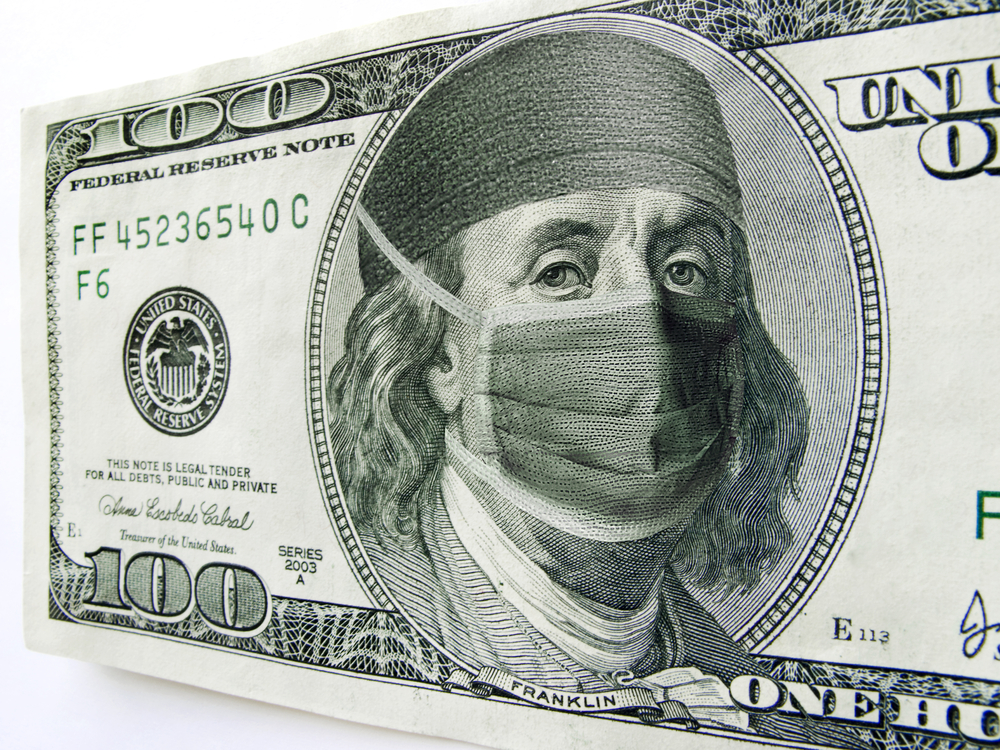
The high costs of cancer drugs puts them out of reach for many patients.
Beyond the caring rhetoric carefully crafted by providers of cancer treatment and therapeutics, there exists a motivation every bit as powerful as saving lives — reaping billions of dollars in profit. That’s what is at stake in the ongoing war on cancer — a war in which important battles have been won, but at a tremendous cost.
As the number of cancer patients grows and their treatments become increasingly expensive, we will find ourselves locked in an unwinnable war of attrition…unless reining-in costs becomes as much of a priority as expanding our medical armamentarium.
How the battlefield changed:
Despite the fact that cancer incidence rates have declined for the most frequently occurring types of the disease, cancer continues to impact 40 percent of all Americans, and it is responsible for 20 percent of all deaths. That translates into 1.66 million newly diagnosed patients annually and nearly 600,000 deaths, according to the National Cancer Institute. Incidence tells only part of the story, however. More importantly, the majority of cancer patients are surviving longer.
There are currently more than 14 million Americans who have survived cancer—a dramatic increase from the 3 million survivors in 1971. While much of this increase is attributable to population growth, improvements in cancer therapies have also played an essential role. As a result, for many patients, cancer has been transformed from a death sentence into a chronic disease that perhaps cannot be cured, but can be controlled for an extended period of time.
The soaring costs of care:
Fifty years ago, direct spending on cancer care equaled $1.3 billion. By 1995, spending had soared to $41.2 billion, and by 2010, it was an estimated $125 billion. That’s an almost 10,000 percent increase in direct spending over fifty years. Add in the indirect costs of care, such as lost productivity, and the numbers almost triple.
Cancer care was not the only part of the nation’s health care bill that rose dramatically over time. In 1950, total health care costs for the U.S. equaled $12.7 billion. By 2012, those costs had risen to $2.6 trillion – a 20,000 percent increase in the span of three generations
Such costs have taken quite a toll. Today, the single greatest cause of personal bankruptcy in America is medical bills. In fact, “The percentage of personal bankruptcies in the United States attributed to health care costs rose from 46.2% in 2001 to 69.1% in 2007.” Such statistics come as no surprise, since patients are bearing an increasing proportion of the cost burden associated with expensive treatments. Medicare beneficiaries who are often on a limited, fixed income are particularly hard hit.
What Lies Ahead:
The estimated cost burden for the coming decades is fuzzy at best. The NIH guesstimates that the direct costs of cancer care could range anywhere from $158 billion to $207 billion. A number of factors are contributing not only to cost escalation, but also to the complexity of forecasting.
We know that the projected level of growth in the 65+ segment of our population—which is the segment most affected by cancer—will result in a virtual tsunami of cancer patients. What we don’t know is how these patients will be treated, or the costs of emerging therapeutic modalities.
Furthermore, with the number of cancer survivors forecast to grow to 19 million by 2024, there will presumably be a dramatic increase in the long-term costs of controlling their disease and maintaining their well-being.
History demonstrates that the cost of cancer does not increase linearly, but rather in a manner reminiscent of Moore’s law—a factor that proves beneficial when describing the growing power of computers, but not the growing costs of care. Nowhere is this more apparent than in the skyrocketing costs of pharmaceutical products.
A Pharmaceutical Gold Rush
The pharmaceutical industry has doubled-down on its investment in cancer therapeutics—a wise move, considering the increased market demand reported by industry monitor, IMS: “The global market for oncology drugs, including those used in supportive care, reached $91 billion in 2013…this compares with $71 billion in 2008 and $37 billion a decade ago.”
With demand soaring and sales burgeoning, much of pharmaceutical research now centers on beating cancer. IMS concluded that, “cancer therapies account for more than 30 percent of all preclinical and phase I clinical development products…”
It’s not just demand that is driving the soaring sales of cancer drug. It’s the manner in which drugs are priced. In the U.S., which accounts for 40 percent of all cancer drug sales, there are no governing rules regarding pricing, beyond what the market will bear. While most consumer products are priced based upon comparative value, the price of cancer therapeutics appears to be plucked from the ether with no relationship to the drug’s relative efficacy or toxicity.
Don’t take my word for it, look at the numbers: According to an article in the Journal of Clinical Oncology, “Of the 12 anticancer drugs approved by the FDA in 2012, only three prolonged survival, two of them by less than 2 months…yet nine were priced at more than $10,000 per month.” One drug, approved for the treatment of pancreatic cancer, was shown to extend survival by a mere 10 days.
According to an article published by the Mayo Clinic, “Last year, ipilimumab (Yervoy; Bristol-Myers Squibb, New York, NY) was approved by the Food and Drug Administration (FDA) for the treatment of metastatic melanoma. The benefit in survival over and above standard treatment was 3.7 months in previously treated patients and 2.1 months in previously untreated patients. The cost: $120,000 for 4 doses.”
It appears that $100,000 per year has been set as the minimum threshold for introducing new cancer therapies. But it is not just the introductory pricing of drugs that is problematic. It is also the price inflation of cancer drugs that is raising costs astronomically. The price of imatinib, a drug used to treat CML (chronic myeloid leukemia) increased from $30,000 to approximately $90,000 over a ten-year period.
Lies, Damn Lies, and Statistics:
The pharmaceutical industry justifies what appears to be morally egregious behavior by explaining that drug costs are primarily driven by research costs. In fact, stating that the cost of bringing a drug to market now exceeds $1 billion has become almost a mantra—but it is patently invalid.
Pharma’s argument regarding the tremendous costs of research was effectively eviscerated in a November 15, 2013 article in the prestigious journal Cancer. Authors Donald Light, Ph.D., and Hagop Kantarjian, M.D., demonstrated that the actual cost probably approaches $125 million or one-eighth of what has been claimed.
You Don’t Have to Sell Drugs to Profit from Cancer:
It’s not just pharma that is profiting from this gold rush. Cash-strapped hospitals and health systems are lining up to ensure that cancer provides a rosy bottom line for their institutions.
Not only are facilities expanding the depth and breadth of cancer services offered, but they are now employing oncologists at an unprecedented rate. Such employment accomplishes multiple objectives: 1) It locks in the physicians who control patient flow in the market, thus locking in market share; 2) it allows the hospitals to increase the costs of the oncologists’ services by billing them as hospital outpatient services; 3) it allows hospitals to capture all the procedural revenue—imaging, radiation, and surgery—associated with these patients; 4) it allows hospitals to increase profits on the resales of cancer drugs using what is known as “340b” pricing.
Numerous other parties stand to profit handsomely from the growth of cancer—including, but not limited to health information technology companies that seek to capitalize on the tremendous data-demands associated with cancer research, medical technology vendors, and even manufacturers of prosthetics.
Re-establishing equilibrium between Patients and Profits:
Until payers realign incentives so that providers are rewarded based upon achieving the most efficient and effective patient outcomes over time, there will be an imbalance between the needs of patients and the pull of profits.
There are specific steps that can be taken today to achieve these objectives, including:
Physicians must act as fiduciaries for their patients’ health and well-being. As such, they must demand comparative effectiveness data that show the relative value of a cancer drug. Physicians can drive change simply through their prescribing patterns, and they must wield this power appropriately on behalf of their patients. This principle was proven effective when a group of oncologists at Memorial Sloan Kettering refused to prescribe the drug Zaltrap because it was twice as expensive as an alternative drug yet no more effective. The manufacturer bowed to the pressure and cut the price of Zaltrap by 50 percent.
The FDA can aid these efforts to move from “what the market will bear” pricing to value-based pricing by establishing minimal thresholds for comparative efficacy while also factoring in the comparative toxicity of drugs under consideration. .
There must be clear and unequivocal prohibitions on any conflicts of interest that allow physicians to profit, beyond their professional fees, for the provision of cancer therapeutics—be it a chemo agent, radiation treatments, or other modalities.
The Department of Justice must bring greater scrutiny to the acquisition of major oncology groups or other actions that may result in the creation of monopolies or oligopolies in cancer care.
Congress must reconsider the prohibitions on governmental agencies, such as Center for Medicare and Medicaid Services (CMS), from negotiating prices with pharmaceutical manufacturers.
As a society, we must struggle with through discussions of what we are willing to expend in order to extend life, while factoring in the patients’ probable quality of life. Discussions of “death panels” must yield to rational, albeit difficult conversations.
The Time to Act is Now:
Health care providers and vendors have proven that they are incapable of being self-regulating. They have also proven that they are subject to the same moral vices as the rest of society, including greed. There needs to be immediate action to stop the profiteering off the backs of cancer patients, while war of attrition, simultaneously using our health care dollars wisely in the quest to conquer cancer.
PLEASE VISIT THE WEB-SITE FOR MY NEW BOOK, After You Hear It’s Cancer: A Guide to Navigating the Difficult Journey Ahead: www.afteryouhearitscancer.com